What Is Venous Dysfunction Caused By?
There are a number of factors that can contribute to the development of spider veins and varicose veins.
Although a genetic disposition is one of the primary influences in the development of abnormal veins, there are also a range of lifestyle factors that can contribute to this condition including:
- Obesity
- Long periods of standing or sitting
- Immobility
- Aging
- Leg injuries
Approximately 30% of the population are affected by varicose veins, with a larger proportion of females and those over 50 years of age afflicted with this condition. The hormonal changes that women experience during pregnancy and in relation to the birth control pill can contribute to the development of abnormal veins.
At Vein Doctors Group we provide Pregnancy Vein Support to assess and direct appropriate support stockings when pregnancy stresses the veins in the legs. This service was pioneered by Dr. Lekich due to his personal experience when his wife developed a blood clot in her varicose veins during pregnancy.
What Are The Different Types Of Abnormal Veins?
There are three primary types of abnormal veins that can visibly develop throughout our body…
These include:
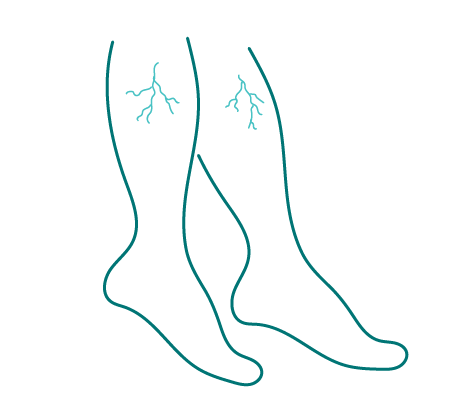
- Spider Veins (also known as telangiectasia) are delicate, red, web-like veins that are visibly present on the surface of the leg. These veins are biologically superfluous.
- Reticular Veins are larger, blue veins that are present deeper below the skin.
- Varicose Veins are the largest veins that can dysfunction and result in unsightly bulging knots above the surface of the skin. Any vein may become varicose, but the veins most commonly affected are those in your legs and feet. That’s because standing and walking upright increases the pressure in the veins of your lower body.These veins are far easier to treat in their early stages.
What Are The Symptoms Of Varicose Veins?
Varicose veins may not always cause any pain. Visible signs you may have varicose veins include:
- Veins that are dark purple or blue in colour
- Veins that appear twisted and bulging; often like cords on your legs
Along with the presence of unsightly looking veins, there are a number of symptoms associated with the development of abnormal veins. These include:
- Heaviness
- Aching
- Chronic pain
- Burning of legs
- Itchiness
- Night cramps
- Restless legs
- Leg swelling
- Skin discolouration, rashes
- Ulcers
Seeking appropriate treatment for abnormal veins will lead to an improvement in these symptoms for the majority of patients.
What Causes Varicose Veins?
Many of our patients ask us what causes varicose veins. Healthy veins circulate blood from the extremities back to the heart, aided by calf muscle contractions and one-way valves that prevent blood from flowing backward. Varicose veins occur when these valves fail, causing blood to pool and veins to swell, appearing lumpy and darkish-blue. Factors such as lack of exercise, physical trauma, pregnancy, obesity, or genetics may increase the risk of valve failure and subsequent varicose veins. The blood collects in the superficial veins just below the skin surface and is delivered to deeper veins, with the muscular action of the calves aiding in pumping the blood upwards against gravity. As pressure builds in the veins, they become visibly swollen and twisted.
What To Do For Varicose Veins?
The following changes may help prevent varicose veins from forming or becoming worse:
- Avoid standing for extended periods of time, if you can.
- Lose weight or maintain a healthy weight/lifestyle.
- Exercise to improve your circulation.
- Use compression socks or stockings.
If you already have varicose veins, you should take these steps to prevent new varicose veins. You should also elevate your legs whenever you’re resting or sleeping.
How Can Varicose Veins Be Treated?
Whatever caused your varicose veins, there are solutions for you and your situation.
Inside our free guide, you’ll find information on the causes and symptoms of varicose veins. We also discuss the adverse health concerns if left untreated and revolutionary minimally invasive treatments to treat vein diseases with little to no downtime or discomfort.
Find out what to expect at your initial consultation, or contact our friendly team.
Why Treat Varicose Veins?
Along with aesthetic concerns, there are many medical reasons why you should seek effective vein treatments.
Severe varicose veins can compromise the nutrition of your skin, leading to eczema, inflammation and even ulceration of the lower legs. Varicose veins can also lead to the development of blue veins on the feet, and skin discolouration.
In extreme cases untreated varicose veins can lead to Deep Vein Thrombosis – a potentially life-threatening condition. Read more about Deep Vein Thrombosis here.
The vein treatment we provide at Vein Doctors Group has been found to actively reduce or eliminate many or all these uncomfortable symptoms.
How Are Abnormal Veins Treated?
At Vein Doctors Group we offer a range of innovative methods to treat abnormal veins
Our Phlebologists rely on high resolution ultrasound imaging to discover the source of your vein dysfunction. From this information our doctors can tailor a treatment plan specifically to your needs that can provide long term relief from venous dysfunction.
Dependent on your individual needs, your treatment may consist of the following minimally invasive procedures:
- Microsclerotherapy for the treatment of minor spider veins
- Ultrasound guided sclerotherapy (UGS) for deeper veins
- Endovenous laser ablation (EVLA) or Radio Frequency ablation (RF) treatment for larger veins that would traditionally require surgical vein stripping.
The vein treatments we offer at our vein clinics offer a range of benefits over traditional vein treatments. We have found that our patients experience a lower recurrence rate, swift recovery times and minimal discomfort when compared to traditional surgical procedures such as vein stripping. The complications that were associated with these earlier traditional treatments are now rare.
For women who need to stop taking hormone-based contraceptive to improve their vein health, our team can provide a referral to Metrocentre. Metrocentre is part of the Coastal Medical Services group and is led by Dr Lekich. Metrocentre provides vasectomies that use a carefully considered and reconstructive procedure, inspired by microsurgical vasectomy reversals, to maximise success of sterility. A vasectomy performed the Metrocentre way offers the following benefits:
- Reduction in Post Vasectomy Pain (Congestion) Syndrome as a post-operative complication
- Retain normal function of the male reproductive organs
- Maximise the potential of a successful future reversal
- Preserving lymphatics, nerves, veins and arteries
- Metrocentre microsurgical reversals are ideal to avoid IVF hormones for women with venous and lipoedema/lymphoedema conditions.